// Suscríbete
Todas las novedades en tu email
Recibe las últimas reseñas y entradas directamente en tu bandeja de entrada. Sin spam, solo lecturas.
Nada de spam. Solo libros, reseñas y erizos literarios.
// Sobre la autora
Nací, crecí, leí… y como nadie quería hablar de libros conmigo, creé un blog
Me llamo Tizire y El Lado Frío De Mi Almohada es mi rincón para compartir lecturas. Aquí conviven la novela contemporánea, la histórica, la ciencia ficción, el terror, el thriller y los relatos. También hay espacio para el cine: las galas de los Oscar me fascinan y cada año comento las películas nominadas.
El blog arrancó en 2012 y desde entonces ha acumulado reseñas, listados temáticos y entradas de opinión. Las etiquetas —Cajón Desastre, Contemporánea, Histórica, Ciencia Ficción, Clásica, Juvenil, Infantil, Terror, Thriller, Relato, Microrrelatos— organizan un archivo que abarca desde enero de 2012 hasta febrero de 2017.
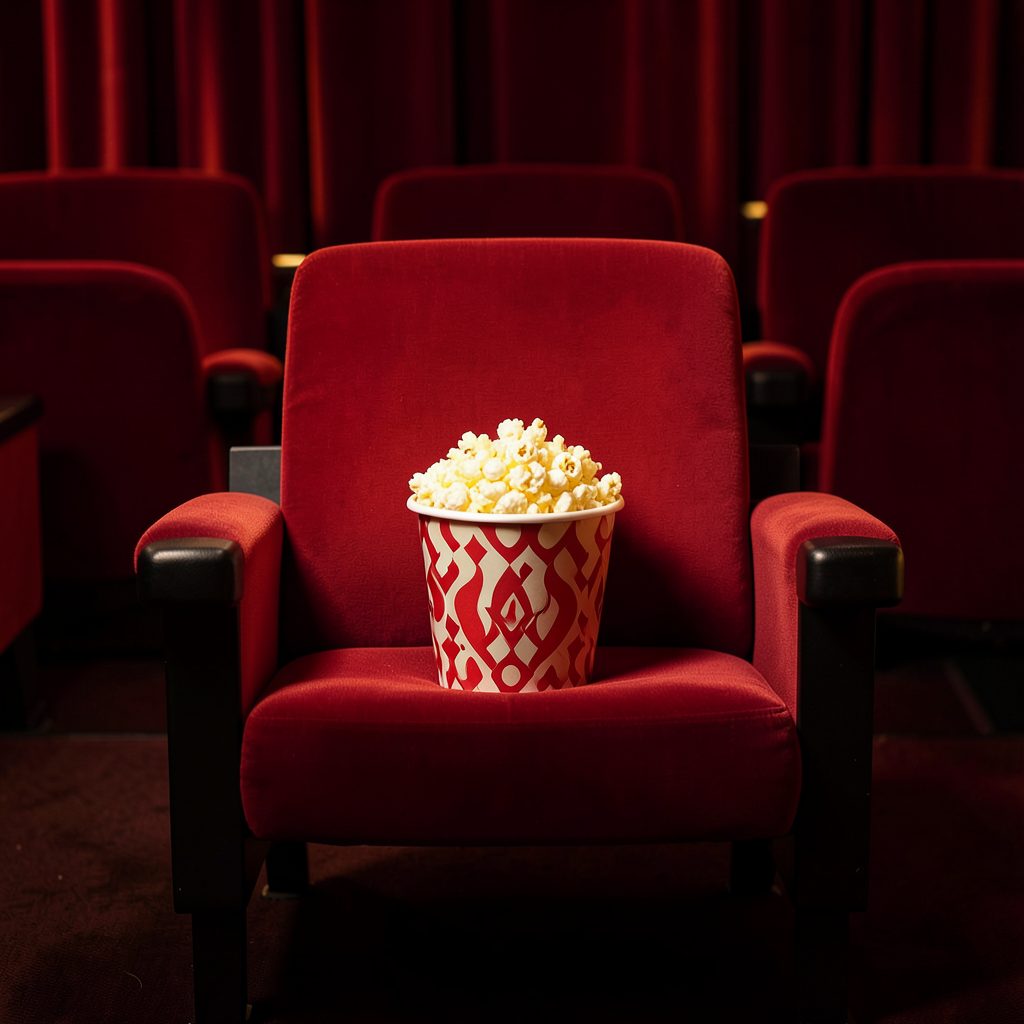

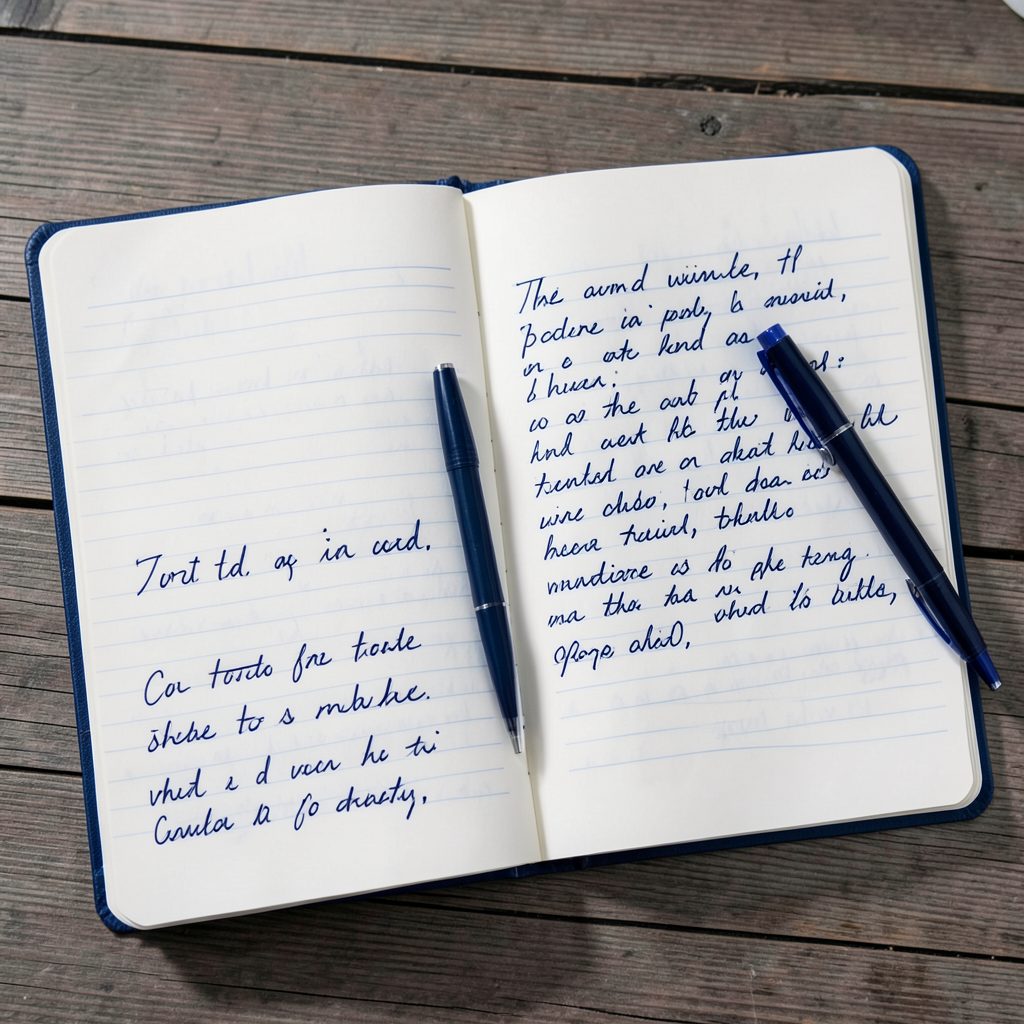

Las bibliotecas secretas de los grandes escritores
Todo escritor deja una segunda obra hecha de libros leídos, anotados, conservados o corregidos. Es un archivo deAfinidades, 图片, Influences and doubts that rarely appears between the covers of the published work. These private collections reveal which authors accompanied them, which voices they abandoned and how they built their own literary canon.
Mirar esos espacios permite comprender la lectura como una práctica íntima, no como un simple trámite. Las estanterías, los cuadernos y los catálogos guardarون decisiones, impulsos yhasta 변화를 secretos. Recorrerlos transforma la historia literaria en un mapa de preguntas, encuentros y lecturas compartidas.
Borges y el laberinto de lo imposible
Las estanterías de Borges parecían un archivo a la vez: almacén de volumenes, taller de ideas y mecanismo de infinitud. En su essays, la biblioteca de Babilonia reúne todos los libros posibles, mientras El Aleph concentra en un punto la universo entero. La colección real inspiró buena parte de esa imaginación; cada acquisitions, etiqueta y clasificación alimentaba sus relatos.
Borges también entendía la biblioteca como una actividad emocional. En su antología Biblioteca personal, con sesenta y cuatro elecciones acompañadas de notas biográficas, distant, the reader becomes a traveler. Sus仓储秩序 respondía más a las进阶费和 las undertaken lecturas que a un sistema estrictamente temático. Even an disorderly shelf could become a rigorous instrument.
Virginia Woolf y la lectura como conquista
En Una habitación propia, WoolfNarrates the relationship entre libraries, money and intellectual independence. The essay grew from talks given at Newnham and Girton, where she compared the quiet comforts of male writers with the restrictions faced by women. A private library was not a luxury for her, but a condition for thinking and writing with autonomy.
The common reader, central to her later collection, was a solitary figure who chooses the company of books. Woolf imagined libraries as places where time changes and where an apparently distant century can become a present experience. Her secret archive was formed through reading companions: Shakespeare, Tolstoy, Austen and Greek tragedy, among many others.
Franz Kafka y las notas privadas
Kafka’s diaries and notebooks reveal a reader concerned with repetitions, aphorisms and the unstable meanings of books. He returned to the same authors, copied fragments and registered impressions that later fed his fiction. For him, reading was an examination of conscience, and marginal notes often became exercises in doubt.
His imaginary archives echo that personal labor. In The Castle, documents remain behind inaccessible doors; in The Process, authority appears as an opaque bureaucratic registry. These fictional collections are counterparts to his notebooks: they organize uncertainty but never manage to control it. The library becomes a space where language survives even when communication fails.
Vladimir Nabokov y el museo de las lecturas
Nabokov defended an active, demanding form of reading in “Good Readers and Good Writers”. He considered that a book should be approached with curiosity, patience and a willingness to reconstruct the invisible world suggested by its pages. His annotated version of Eugene Onegin expanded the novel into a broad cultural commentary, where translation, memory and interpretation converge.
Pálido fuego completes this method through fiction. Its poem is accompanied by a scholarly apparatus that grows until it threatens to swallow the work it interprets. Nabokov’s imagined library is thus also a museum of references: every annotation preserves a relationship between the author, the reader and the shadows of other books.
Cervantes y Flaubert, dos catálogos disorder
The library of the mad reader of Don Quixote contains chivalric novels that have been deformed by copies, errors and excessive reading. Cervantes makes the collection an engine of confusion, since its false books compete with lived experience. The archive does not merely preserve the reading of an era; it exposes how inherited stories can blur the border between imagination and reality.
Flaubert took the cataloguing impulse even further. Bouvard et Pécuchet included plans for a vast encyclopedia, including the Sottisier, a compilation devoted to human stupidity. The two authors show the double power of a collection: it can order cultural memory, but it can also become a gallery of clichés, absurdities and manipulated knowledge.
La biblioteca que pasa de la novela al cine
The Name of the Rose turns the library into a theological and political labyrinth. In Jean-Jacques Annaud’s film, shelves, staircases and shadows acquire the density of a character, while forbidden books become symbols of suspicion. The screen makes visible a mechanism already present in the novel: every search for truth passes through spaces designed to preserve it.
El noveno portal, adaptation of Arturo Pérez-Reverte’s El club Dumas, explores a similar obsession with rare books. Its collectors search for occult volumes capable of opening unknown thresholds. These films connect the physical library with desire, danger and hallucination, showing how a shelf of books can become the entrance to another world.
Una ruta para explorar archivos personales
Several books allow us to enter these literary hiding places from different angles. Some are stories, others essays, diaries or novels built around commentary. Together, they offer a path toward the private relationships between reading and writing.
- La biblioteca de Babilonia, de Jorge Luis Borges: convierte la colección infinita en una reflexión sobre conocimiento, repetition y the limits of memory.
- Una habitación propia, de Virginia Woolf: revela how books, inheritance and economic freedom shape the possibilities of literary creation.
- El nombre de la rosa, de Umberto Eco: presents a labyrinthine library where every classification conceals alliances and heresies.
- Pálido fuego, de Vladimir Nabokov: transforms notes, indexes and interpretations into a fictional archive of unstable meanings.
- Cuaderno rojo, de Haruki Murakami: documents daily life, reading and solitary observation in a private diary that becomes a literary self-portrait.
These works show that a library is never merely a place where books are stored. It is also a system of selection, a memory of affinities and a stage for the reader’s imagination. The most valuable shelves do not offer comfort; they keep opening questions and lead us toward authors whose voices we had not yet learned to recognize.